
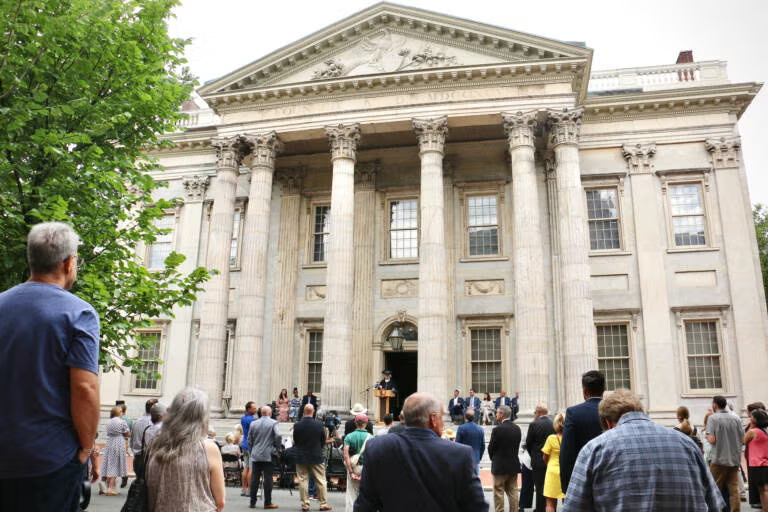
The Transformation of a Historic Landmark
The First Bank of the United States in Philadelphia, a pivotal site in America’s financial history, has recently unveiled a stunning $43 million renovation. This revitalization not only breathes new life into the structure but also underscores its importance within the city's cultural and economic landscape. Established in 1791, the bank played a crucial role in establishing the nation’s financial system, and its makeover is a testament to Philadelphia's commitment to preserving its historical treasures.
A Step Towards Revitalization
The renovation, completed by a team of skilled architects and historians, aims to restore the building to its original grandeur while incorporating modern amenities that enhance visitor experiences. This dual approach—preserving history while embracing innovation—highlights the growing trend of integrating historic sites into contemporary urban life.
Key Aspects of the Renovation
- Restoration of Original Features: The project focused on maintaining the bank's historical integrity, including the restoration of its iconic façade and interior woodwork.
- Modern Amenities: New facilities will support both educational initiatives and public engagement, making the site more accessible to visitors.
- Enhanced Visitor Experience: Interactive exhibitions are designed to educate visitors about the bank's role in American history, fostering a deeper appreciation for this landmark.
Why This Matters Now
The revitalization of the First Bank comes at a time when cities are increasingly focused on preserving their cultural heritage amid rapid modernization. With urban spaces evolving, it is imperative to retain historical landmarks that tell the story of a city’s past. This renovation not only enhances Philadelphia's appeal as a tourist destination but also serves as a critical reminder of the city's foundational role in the establishment of the United States.
Impact on the Local Economy
The financial investment in the First Bank's renovation is expected to have a significant positive impact on the local economy. By attracting more visitors, the site can boost local businesses and create job opportunities in the surrounding area. Additionally, events and programs hosted at the bank can stimulate economic activity, providing a platform for local artisans and entrepreneurs.
Engaging the Community
Community engagement played a vital role throughout the renovation process. By incorporating feedback from local residents and stakeholders, the project team ensured that the renovations reflect the desires and needs of the community. This approach not only fosters a sense of ownership among locals but also enhances the relevance of the site in contemporary Philadelphia.
Future Initiatives
- Educational Programs: Post-renovation, the bank plans to implement educational programming aimed at students and history enthusiasts, focusing on the significance of financial literacy and civic engagement.
- Art Exhibitions: Collaborations with local artists will allow the bank to showcase Philadelphia's rich artistic culture, making art accessible to all visitors.
- Community Events: The bank will serve as a venue for community events, further solidifying its role as a hub for local culture and history.
Conclusion
The recent $43 million renovation of the First Bank of the United States stands as a powerful symbol of Philadelphia's dedication to preserving its rich history while adapting to modern needs. As a site that shaped the nation's financial foundations, its revival is not just about bricks and mortar; it's about the stories and connections that continue to resonate with current and future generations. This transformation affirms the importance of historic preservation in fostering a vibrant and economically thriving community.